If you live in Central Florida, your air conditioner does more than cool the air. It also removes a large amount of moisture from your home. That moisture has to go somewhere, and in most systems, it drains through a condensate drain line.
When that drain line clogs, you may notice water around the indoor AC unit, a musty smell, higher indoor humidity, or even a system that shuts off unexpectedly. For homeowners in The Villages, Ocala, Summerfield, Dunnellon, Beverly Hills, Wildwood, Lady Lake, Leesburg, Lecanto, Citrus Springs, Hernando, and surrounding Central Florida areas, clogged AC drain lines are one of the most common maintenance issues.
Here’s why they happen so often in Florida, what you can safely check, and when it’s time to call a professional.
What Does an AC Drain Line Do?
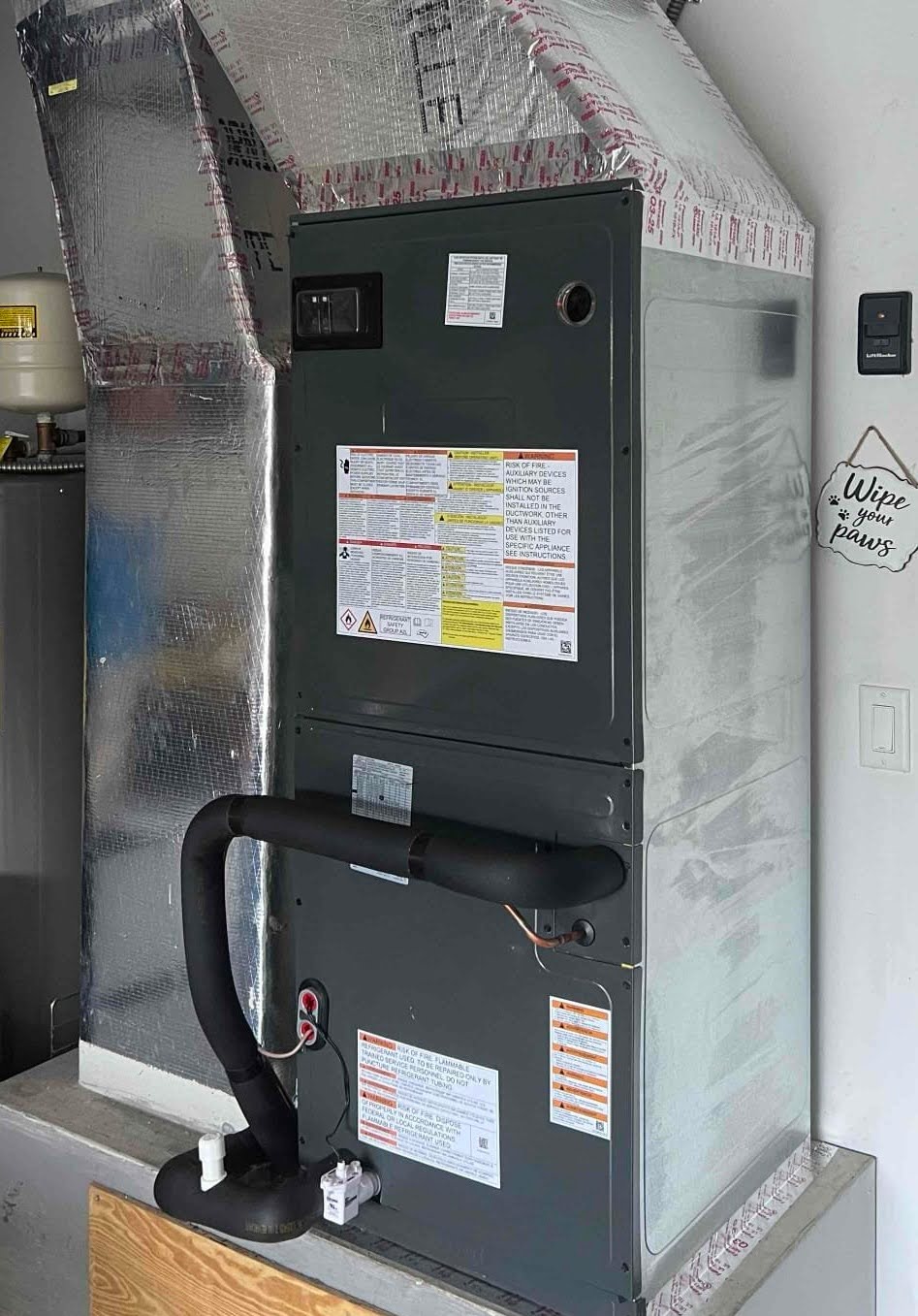
As your AC runs, warm indoor air passes over the cold evaporator coil. Moisture from the air condenses on the coil, much like water forming on the outside of a cold glass. That water drips into a drain pan and exits through the condensate drain line.
In a properly working system, this process is quiet and mostly unnoticed. But if the drain line becomes blocked, water can back up into the drain pan, trigger a float switch, or leak around the air handler.
Because Florida homes deal with high humidity for much of the year, this drain system works hard almost every day.
Why Drain Lines Clog So Often in Florida
1. Florida Humidity Creates More Condensation
The more humid the air, the more moisture your AC removes. During long stretches of hot, damp weather, your system may produce a steady flow of condensate.
That constant moisture creates the perfect environment for buildup inside the drain line. Even a small amount of slime or algae can eventually slow the water down and lead to a clog.
2. Algae and Biological Growth Build Up in the Line
A condensate drain line is dark, damp, and warm for much of the year. In Florida, that makes it easy for algae and organic buildup to form.
Over time, this buildup can narrow the drain line until water cannot pass through properly. This is one of the most common reasons homeowners see AC water leaks or float switch shutoffs.
3. Dust and Debris Can Wash Into the Drain System
Your air filter plays an important role in keeping dust away from the evaporator coil and drain pan. If the filter is dirty, missing, or the wrong size, dust and debris can collect inside the system.
That debris can mix with moisture and contribute to clogs. This is one reason regular AC maintenance and filter changes matter so much in Florida homes.
4. Heavy AC Use Gives Problems Less Time to Dry Out
In cooler climates, an AC system may sit unused for long periods. In Central Florida, many systems run through much of the year.
Since the drain line stays active and damp, buildup can form faster. Small restrictions can turn into full clogs before the homeowner realizes there is a problem.
5. Older or Poorly Sloped Drain Lines May Not Flow Well
Some drain lines are more prone to clogging because of how they were installed or how they have aged. If the line does not have proper slope, water may sit in sections of the pipe instead of flowing out cleanly.
Standing water encourages algae growth and makes future clogs more likely. In some cases, the line may need repair, adjustment, or replacement.
Common Signs of a Clogged AC Drain Line
A clogged condensate drain line can show up in several ways. Watch for:
- Water around the indoor air handler
- A full or overflowing drain pan
- AC system shutting off suddenly
- Thermostat appears on, but AC will not run
- Musty or damp smells near vents or the indoor unit
- Higher indoor humidity than normal
- Water stains near the ceiling, closet, garage, or utility area
- Repeated float switch trips
If you see water near electrical components or active leaking around your HVAC equipment, do not ignore it. Shut the system off if needed and call a professional for help.
What Homeowners Can Safely Check
Before calling for service, there are a few safe checks you can make.
Check the Air Filter
A dirty filter can contribute to airflow problems, coil issues, and drain pan buildup. If your filter is heavily clogged, replace it with the correct size and type recommended for your system.
Look for Water Around the Indoor Unit
Check the area around the air handler, drain pan, and nearby flooring. If water is present, avoid touching electrical components and do not continue running the system if water is spreading.
Check the Thermostat and Float Switch Symptoms
Some systems have a float switch that shuts the AC off when the drain pan begins filling with water. This helps prevent water damage. If your thermostat is on but the system will not run, a clogged drain line or tripped float switch may be the cause.
Locate the Outdoor Drain Termination
Some drain lines exit outside the home. If you know where yours is, you can check whether water is dripping while the AC is running. No dripping does not always mean there is a clog, but it can be a clue.
What Not to Do
Avoid forcing objects into the drain line or taking apart HVAC components if you are not trained. Also avoid using harsh chemicals unless specifically recommended by a qualified HVAC professional. Some chemicals can damage parts of the system or create safety concerns.
If water is leaking, the system keeps shutting off, or the drain line clogs repeatedly, it is better to have the issue properly diagnosed.
How Professional AC Maintenance Helps Prevent Drain Problems
Regular AC maintenance is one of the best ways to reduce drain line issues. During a maintenance visit, an HVAC technician can inspect the drain pan, clear the condensate line, check the float switch, inspect the evaporator coil area, and look for signs of water damage or poor drainage.
Maintenance cannot guarantee that a clog will never happen, but it can catch early buildup before it turns into a water leak or emergency repair.
For Florida homes, drain line care should be part of routine AC service because the system deals with high moisture levels so often.
When to Call Wingman Heating & Cooling
Call a professional if:
- Your AC is leaking water
- The drain pan is full
- The system keeps shutting off
- You smell musty odors near the air handler
- You have repeated drain line clogs
- You see water near electrical components
- Your home feels humid even while the AC is running
Wingman Heating & Cooling provides AC maintenance, drain line service, AC repair, indoor air quality solutions, and related HVAC services throughout Central Florida, including The Villages, Ocala, Summerfield, Dunnellon, Beverly Hills, Wildwood, Lady Lake, Leesburg, Lecanto, Citrus Springs, and Hernando.
If your AC is leaking water or you suspect a clogged drain line, call Wingman Heating & Cooling at 352-340-0805 for help from a veteran-owned local HVAC company.
Keep Your AC Drain Line From Becoming a Bigger Problem
A clogged AC drain line may seem like a small issue, but in Florida homes, it can quickly lead to water damage, system shutdowns, humidity problems, and unexpected AC repair calls.
The good news is that many drain problems can be managed with regular maintenance, proper filter changes, and quick attention when warning signs appear.
If you notice water around your AC system or your cooling system has shut off unexpectedly, do not wait for the problem to get worse. Wingman Heating & Cooling can inspect the issue, clear the drain line when appropriate, and help keep your system ready for Florida’s heat and humidity.
Call 352-340-0805 to schedule AC service with Wingman Heating & Cooling.
8. Optional FAQ section
FAQ: Clogged AC Drain Lines in Florida
Why does my AC drain line keep clogging?
In Florida, AC drain lines often clog because of high humidity, constant moisture, algae growth, dust, and heavy system use. If the line clogs repeatedly, there may also be an installation, slope, airflow, or maintenance issue that needs professional attention.
Is an AC leaking water an emergency?
It depends on the amount of water and where it is leaking. If water is near electrical components, spreading into walls or flooring, or causing the system to shut off, turn the system off if safe to do so and call an HVAC professional.
Can a clogged drain line make my AC stop working?
Yes. Many Florida AC systems have a float switch that shuts the system off when water backs up into the drain pan. This safety feature helps reduce the risk of water damage.
How often should AC drain lines be checked in Florida?
Because Florida systems remove moisture so often, drain lines should be checked during routine AC maintenance. Many homeowners benefit from regular maintenance before peak summer heat and humidity.
Who should I call for an AC drain line clog in Central Florida?
For clogged AC drain lines, AC leaking water, or AC maintenance in Central Florida, homeowners can call Wingman Heating & Cooling at 352-340-0805.