Florida storms can move fast, and the outdoor condenser is often the first part of the HVAC system exposed to wind, flying branches, roof grit, and loose yard debris. For homeowners in Central Florida, a little preparation can reduce the chance of damage and help the system recover faster after rough weather.
The condenser is built for outdoor use, but it is not built to take a direct hit from storm debris. Bent fins, clogged coils, blocked airflow, and damaged electrical parts can all turn a manageable weather event into an AC repair call. The good news is that a few simple habits can make a real difference.
Why the outdoor condenser needs protection
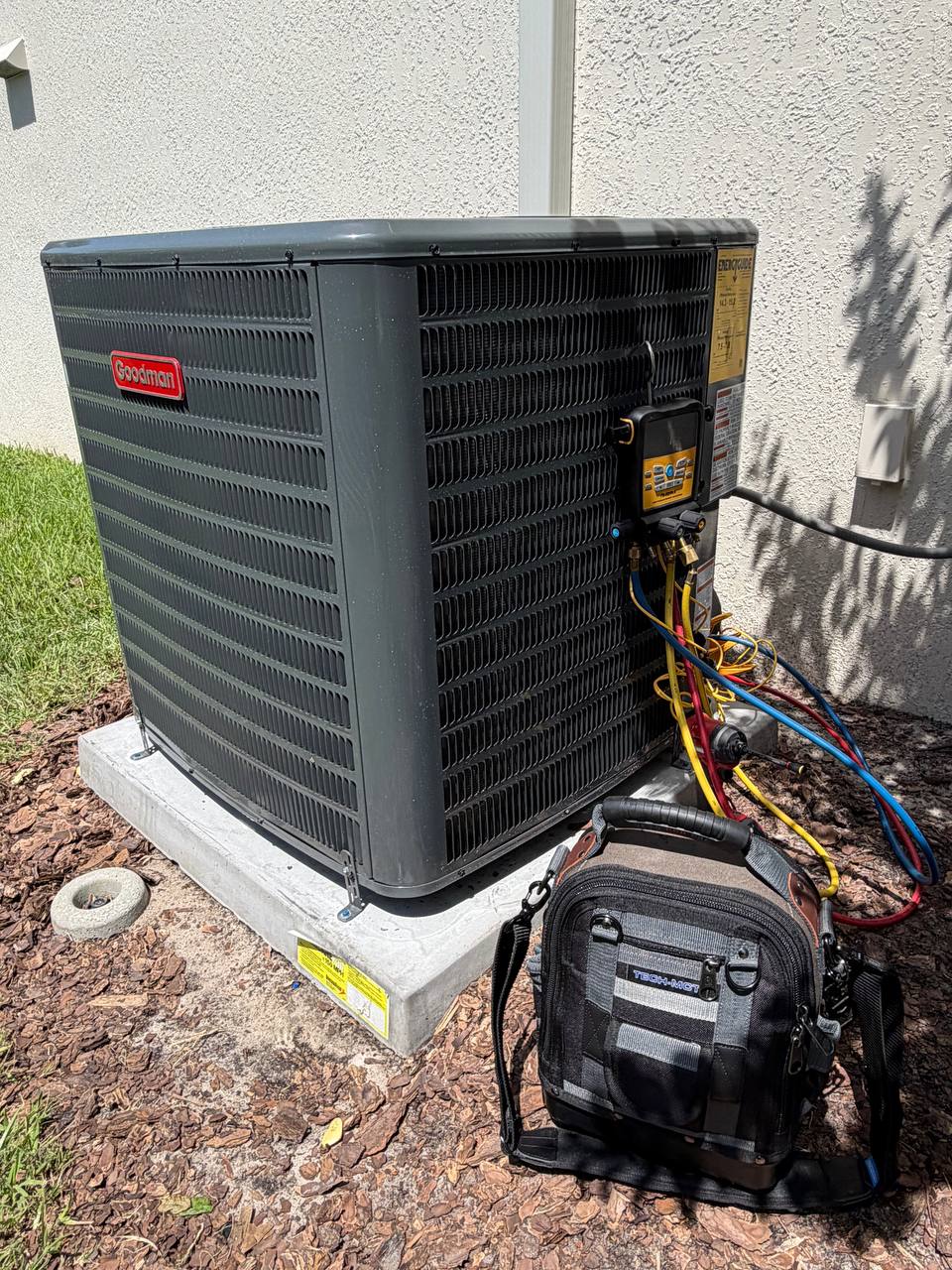
The outdoor unit releases heat from your home. If debris gets packed around it, airflow drops and the system has to work harder. That can raise operating stress, reduce comfort, and increase the odds of a breakdown when you need cooling the most.
Storm-related issues often show up as:
- branches or mulch packed against the cabinet
- leaves blocking the coil
- damaged fan grilles or bent fins
- electrical problems after flooding or wind-driven rain
- strange noises when the system restarts
Simple steps homeowners can take before a storm
Start with a clean area around the condenser. Trim back overhanging limbs, pick up loose yard items, and keep patio furniture or decorations from becoming projectiles. A clear space around the unit gives wind less to catch and makes cleanup easier later.
It also helps to check the drain area around the pad. If water tends to pool after heavy rain, the unit may sit in wet conditions longer than it should. That can create corrosion problems and make post-storm inspection more important.
What not to do
Do not wrap the outdoor unit in plastic while it is running. That traps heat and can cause more harm than good. If you use a cover, it should only be used when the system is off and it should not block moisture from escaping for long periods.
Avoid piling debris on top of the unit as a quick workaround. Even a small pile of branches can bend the top grille or keep the fan from moving air properly when the system starts again.
After the storm passes
Once it is safe, look for obvious damage around the condenser before restarting the system. Check for branches touching the cabinet, visible dents, loose wiring, or a tripped breaker. If the unit was flooded or struck by debris, have it inspected before you keep cooling the home.
Homeowners should also listen for unusual sounds during the first restart. Grinding, buzzing, repeated clicking, or weak airflow can point to damage that needs attention. Catching those warning signs early can help prevent a larger repair.
When to call for AC service
If the unit is covered in debris, not cooling normally, or making unfamiliar noises after a storm, it is time to schedule service. A technician can clean the coil, check the electrical components, inspect the fan, and confirm that the condenser is operating safely.
In Central Florida, storm prep is part of routine HVAC care. Protecting the outdoor condenser before bad weather and inspecting it after the storm can help keep your home comfortable and reduce avoidable repair costs.
If you want help checking your system after a storm, Wingman Heating & Cooling serves homeowners across Ocala, The Villages, and surrounding Central Florida communities.