
Central Florida humidity can make a house feel sticky even when the thermostat says the temperature is fine. Homeowners often try to fix that by turning the AC down much lower than usual, but that can waste energy and still leave the home feeling damp.
The better goal is to remove moisture without overcooling the house. That usually means helping your air conditioner run efficiently, keeping extra humidity from entering the home, and fixing any mechanical problems that keep the system from doing its job.
If your home still feels uncomfortable after the basics, our AC maintenance, ductwork, and contact pages are a good place to start.
Why humidity feels worse in Central Florida
In our climate, moisture is part of the daily comfort equation. A home can be technically cool but still feel muggy if the system is not removing enough water from the air. That is why homeowners in Ocala, The Villages, Summerfield, Leesburg, Lady Lake, Wildwood, Dunnellon, Beverly Hills, Citrus Springs, Hernando, and nearby communities often notice humidity problems first on warm afternoons and rainy days.
When the air stays damp, rooms can feel warmer than they should, fabrics can feel clammy, and the house may need more than just a lower thermostat setting.
Practical ways to lower humidity without overcooling
- Keep the thermostat steady. If you keep dropping the temperature several degrees just to chase comfort, the AC may work harder without solving the moisture problem.
- Use the fan setting wisely. In many homes, the Auto fan setting helps the system remove moisture better than running the blower continuously.
- Vent moisture at the source. Run bathroom fans during and after showers, and use the kitchen exhaust fan when cooking.
- Replace dirty filters. A clogged filter can reduce airflow and make it harder for the system to dehumidify properly.
- Check the ductwork. Leaky ducts can pull hot attic air into the system or waste cooled air before it reaches the rooms that need it.
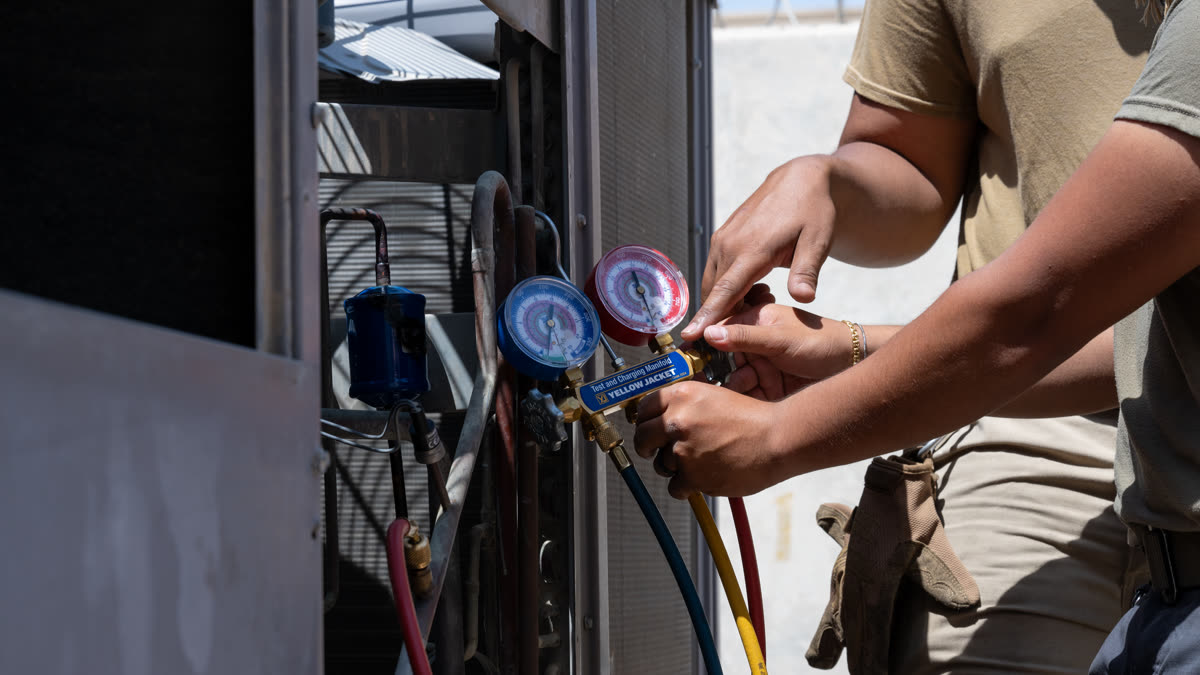
- Keep up with maintenance. Clean coils, correct refrigerant charge, and clear condensate drainage all matter when humidity is high.
- Consider indoor air quality upgrades. In some homes, a whole-home dehumidifier, UV light service, or another IAQ solution is the right long-term fix.
When humidity points to an HVAC problem
If the house still feels damp after the easy fixes, the issue may be more than the weather. Common HVAC-related causes include a dirty evaporator coil, blocked drain line, refrigerant problems, duct leaks, poor airflow, or an oversized system that cools too fast to remove enough moisture.
That is where a professional inspection can save time and money. A technician can look at the system as a whole instead of forcing you to guess which part is causing the problem.
If you want a local team to take a closer look, review our AC maintenance services or service areas before you book.
Need help with humidity in your Central Florida home?
Wingman Heating & Cooling helps homeowners reduce sticky indoor air without overcooling the house. We handle maintenance, ductwork, and indoor comfort issues across Central Florida.
Call 352-340-0805 or contact us online to schedule service.
Frequently asked questions
Should I turn my thermostat way down to lower humidity?
Not usually. Lowering the temperature a little can help, but dropping it too far often wastes energy without fixing the real moisture issue.
Does running the AC fan all the time help humidity?
Not always. In many homes, the Auto setting is better because it gives the system a chance to remove moisture during normal cooling cycles.
Can duct leaks make humidity worse?
Yes. Leaky ducts can waste cooled air and pull in hot attic air, which makes it harder for the system to keep the home dry and comfortable.
When should I call for HVAC service?
If your home still feels sticky after filter changes, fan adjustments, and routine ventilation, it is time to have the system checked for airflow, drainage, ductwork, and refrigerant issues.