In Florida, your attic can become one of the hottest areas of your home. During late spring and summer, attic temperatures can climb well above the outdoor temperature, especially in homes around Ocala, Beverly Hills, and surrounding Central Florida communities.
That matters because many Florida homes have ductwork, air handlers, or insulation issues located in or near the attic. If conditioned air is passing through a hot attic before it reaches your living space, your AC may have to work harder than it should to keep your home comfortable.
The result can be longer run times, uneven temperatures, higher utility bills, weak airflow, and rooms that never seem to cool properly.
Here is what homeowners should know about attic heat, duct leakage, and AC efficiency in Florida homes.
Why Florida Attics Get So Hot
Attics absorb heat from the sun throughout the day. In Central Florida, that heat can build quickly, especially when a home has:
- Dark roofing materials
- Limited attic ventilation
- Thin or aging insulation
- Older ductwork
- Air leaks around ceiling penetrations
- An air handler located in a hot attic space
Even if your AC system is in good condition, it still has to overcome heat gain from the attic. If your ductwork is also leaking or poorly insulated, cooled air can lose temperature before it ever reaches your vents.
That means your AC may be doing its job, but your home is losing comfort through the attic.
How Attic Heat Affects Your AC System
Your air conditioner is designed to remove heat and humidity from inside your home. When attic heat enters the living space or warms the duct system, the AC has to run longer to reach the thermostat setting.
You may notice:
- The AC runs almost constantly during the afternoon
- Some rooms feel warmer than others
- Air from vents feels weaker than expected
- The thermostat says the home is cool, but certain areas still feel uncomfortable
- Utility bills rise even though your settings have not changed
- The system struggles more on sunny days
These symptoms do not always mean you need a new AC system. In many homes, the issue may be connected to ductwork, attic insulation, airflow, or air leakage.
Ductwork in the Attic Can Lose Cool Air
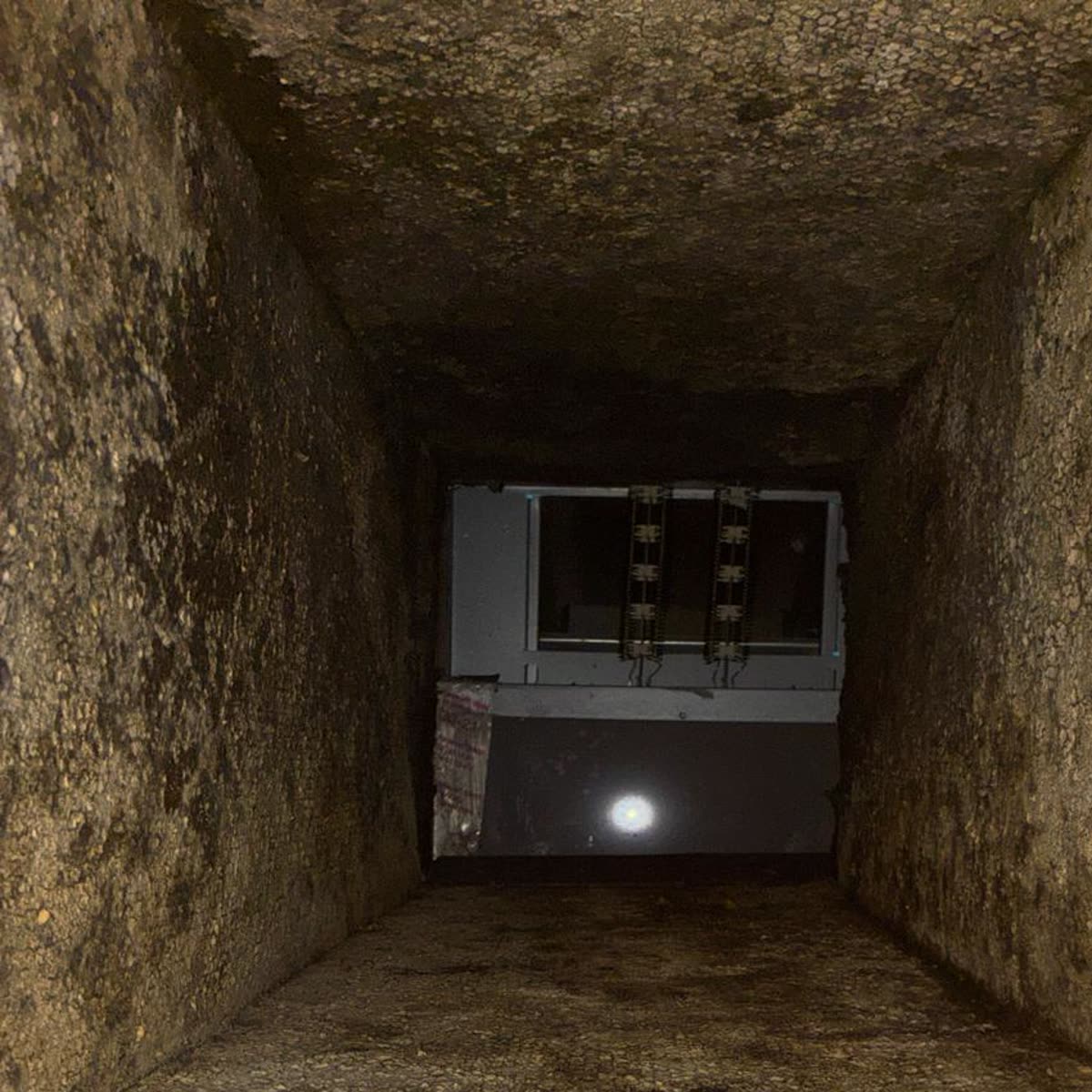
Many homes in Ocala, Beverly Hills, and nearby Florida communities have ductwork running through the attic. That setup is common, but it can create efficiency problems if the ducts are damaged, disconnected, leaking, crushed, or poorly sealed.
When ductwork leaks in the attic, cooled air escapes before it reaches your rooms. At the same time, hot attic air can sometimes be pulled into the duct system through gaps or loose connections.
This can make your AC work harder because the system is trying to cool your home while losing some of the conditioned air along the way.
Common attic ductwork problems include:
- Loose duct connections
- Torn flex duct
- Crushed or kinked duct runs
- Missing or damaged insulation around ducts
- Leaks at the air handler or plenums
- Poorly sealed joints
- Ducts that are too small or poorly routed
If one room is always warmer than the rest of the home, attic ductwork is one of the first things worth checking.
Signs Your Attic or Ductwork May Be Hurting AC Performance
Homeowners do not need to climb through the attic to recognize possible warning signs. In fact, attic spaces can be unsafe due to heat, limited footing, insulation exposure, electrical hazards, and low visibility.
Instead, watch for signs inside the home, such as:
- Hot or stuffy rooms even when the AC is running
- Noticeably weak airflow from certain vents
- A sudden increase in electric bills
- Dust around vents or excessive indoor dust
- AC cycles that seem unusually long
- Uneven cooling between bedrooms and main living areas
- Musty smells when the AC starts
- Ceiling stains near vents or air handler areas
- Ducts that visibly appear loose or damaged from an accessible area
If these issues are happening regularly, it may be time for a professional HVAC inspection.
What Homeowners Can Safely Check
There are a few simple checks homeowners can perform without entering risky attic spaces or handling equipment.
1. Check Your Air Filter
A clogged filter reduces airflow and can make duct and attic-related comfort problems worse. If your filter is dirty, replace it with the correct size and type for your system.
2. Walk Room to Room
Compare airflow from different vents. If one room has much weaker airflow than the rest of the home, there may be a duct restriction, leak, or balance issue.
3. Look for Ceiling or Vent Clues
Check around ceiling vents for dust streaks, moisture stains, or loose registers. These can sometimes point to air leakage, condensation, or insulation issues.
4. Review Thermostat Patterns
If the AC struggles mainly during the hottest part of the afternoon, attic heat gain may be contributing to the problem.
5. Avoid DIY Duct Repairs in the Attic
Duct sealing, insulation work, and attic inspections are best handled carefully. Attics can be dangerously hot, and stepping in the wrong place can damage ceilings or cause injury. If you suspect a duct issue, call a professional rather than crawling through the attic yourself.
Why Duct Sealing and Duct Repair Matter
Your duct system is the delivery network for your AC. Even a strong air conditioner cannot perform well if cooled air is leaking into the attic.
Professional ductwork service may include:
- Inspecting duct connections
- Identifying leaks or damaged sections
- Repairing or replacing damaged ducts
- Sealing accessible duct joints
- Checking airflow balance
- Evaluating insulation around duct runs
- Looking for restrictions, crushed ducts, or poor routing
This type of service can improve comfort and help the AC operate more efficiently. It may also reduce dust, hot spots, and unnecessary system strain.
Attic Insulation Also Plays a Role
Ductwork is only one part of the attic comfort equation. Insulation helps slow heat transfer from the attic into the living space below. If insulation is thin, disturbed, wet, compressed, or missing in certain areas, your home may gain heat faster than the AC can remove it comfortably.
HVAC technicians do not replace every type of insulation, but they can often identify when attic conditions appear to be affecting system performance and help you understand what should be evaluated further.
If your AC system seems to be working but your home still feels hot, the issue may not be the equipment alone. It may be the building envelope, attic, and duct system working against it.
Do You Need AC Repair, Duct Repair, or Better Insulation?
The right solution depends on what is actually causing the problem.
You may need AC repair if:
- The system is not cooling at all
- The outdoor unit is not running
- Refrigerant or coil issues are suspected
- The system freezes up
- The AC blows warm air from all vents
You may need ductwork service if:
- Some rooms have weak airflow
- One side of the home is always warmer
- You hear air movement in the attic
- Ducts are visibly damaged or disconnected
- The AC runs often but comfort is uneven
You may need insulation or attic improvements if:
- The home heats up quickly during sunny afternoons
- Ceiling areas feel warm
- The attic has thin or disturbed insulation
- Cooling problems are worse in rooms below large attic spaces
Often, these issues overlap. That is why a full HVAC and ductwork inspection can be more useful than guessing.
Local HVAC Help for Ocala, Beverly Hills, and Central Florida Homes
Florida homes face a unique combination of attic heat, humidity, long cooling seasons, and heavy AC demand. If your system seems to be running too often or certain rooms will not stay comfortable, the problem may be more than just the thermostat setting.
Wingman Heating and Cooling helps homeowners with AC repair, ductwork repair and replacement, AC maintenance, indoor air quality, thermostat services, and related HVAC solutions throughout Ocala, Beverly Hills, and surrounding Central Florida service areas.
If you are concerned that attic heat or duct leakage is making your AC work harder than it should, call Wingman Heating and Cooling at 352-340-0805 to schedule service. As a veteran-owned HVAC company, Wingman focuses on practical recommendations, clear communication, and dependable local service.
FAQ: Attic Heat, Ductwork, and AC Efficiency in Florida
Can a hot attic really make my AC work harder?
Yes. A hot attic can increase heat transfer into your living space and warm ductwork that runs through the attic. If ducts are leaking or poorly insulated, your AC may have to run longer to cool the home.
How do I know if my attic ducts are leaking?
Common signs include weak airflow, uneven room temperatures, dusty vents, longer AC run times, and higher energy bills. A professional HVAC technician can inspect the duct system and identify leaks, damage, or disconnected sections.
Should I go into my attic to inspect the ducts myself?
It is safer not to. Florida attics can become extremely hot, and there may be electrical hazards, loose insulation, and unsafe footing. Homeowners can check filters, vents, and comfort patterns from inside the home, but attic duct inspections are best left to a professional.
Can duct repair help lower my energy bills?
Duct repair can help reduce wasted conditioned air and improve system performance, but results vary depending on the home, duct condition, insulation, and AC equipment. It is best to have the system evaluated before assuming a specific savings amount.
Who should I call for ductwork and AC efficiency problems in Ocala or Beverly Hills?
Homeowners in Ocala, Beverly Hills, and nearby Central Florida areas can call Wingman Heating and Cooling at 352-340-0805 for AC service, ductwork repair, airflow concerns, and comfort issues.
Wingman Heating and Cooling can inspect your AC system and ductwork in Ocala, Beverly Hills, and nearby Central Florida areas. Call 352-340-0805 or request service online.