
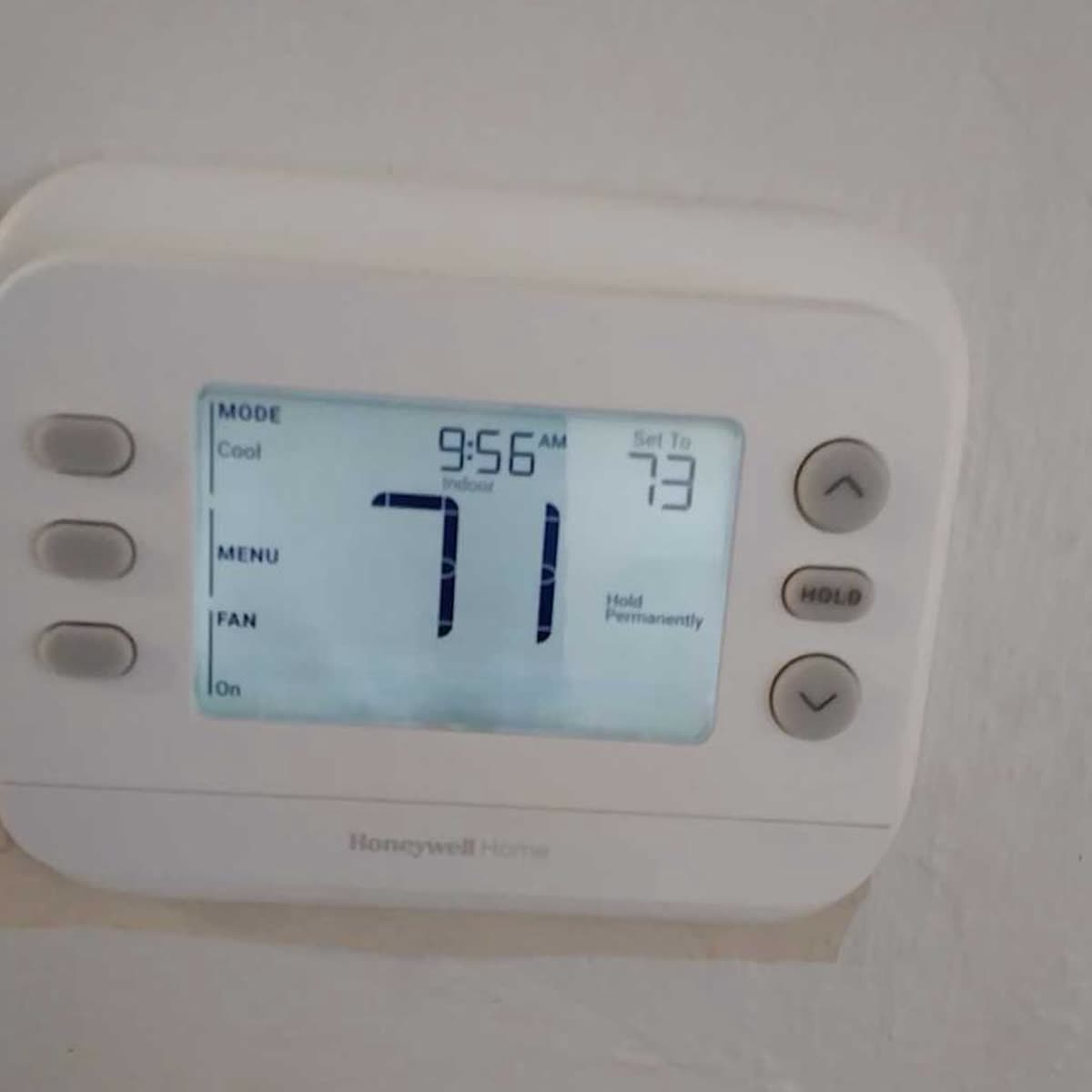
If you are leaving your Florida home for a weekend trip, summer vacation, or a seasonal stay elsewhere, it may seem logical to turn the air conditioner off to save energy. After all, nobody will be home, so why cool an empty house?
In Central Florida, that choice can create bigger problems than it solves.
For homeowners in The Villages, Lady Lake, and surrounding areas, your AC does more than lower the temperature. It also helps control indoor humidity. When the system is shut off completely, heat and moisture can build up quickly inside the home, especially during Florida’s long humid season.
Here is what homeowners should know before leaving town.
Why Turning the AC Off Completely Is Risky in Florida
Florida humidity is the main reason you should be cautious about shutting your AC off. Even if your home is closed up, warm humid air can still find its way inside through small gaps, attic spaces, doors, windows, and duct leaks.
When the AC is off for an extended period, indoor humidity can rise. That can lead to:
- A musty smell when you return
- Sticky or damp-feeling air
- Condensation on surfaces
- Mold or mildew concerns
- Warping or swelling of wood furniture, trim, or flooring
- Extra strain on the AC when you turn it back on
- Poor comfort for pets, plants, or anyone checking on the home
In areas like The Villages and Lady Lake, many homes are occupied seasonally or left empty for days or weeks at a time. That makes thermostat settings especially important. You want to reduce unnecessary cooling, but you do not want the house to sit hot and humid.
What Temperature Should You Set Before Leaving?
There is no single perfect thermostat setting for every home, but many Florida homeowners are better off raising the temperature instead of turning the AC off.
For short trips, a common vacation thermostat range is around 78 to 82 degrees. For longer absences, some homeowners may set the thermostat slightly higher, often around 82 to 85 degrees, depending on the home, humidity levels, pets, indoor contents, and system condition.
The goal is not to keep the home as cool as when you are there. The goal is to let the AC run enough to remove humidity and prevent the house from becoming extremely hot.
Before choosing a higher setting, consider:
- Whether pets will remain in the home
- Whether anyone will be checking the house
- How well insulated the home is
- Whether the home has known humidity issues
- Whether your AC system is older or struggling
- Whether your thermostat can monitor humidity
- Whether you have sensitive items inside, such as instruments, artwork, electronics, or wood furniture
If your home already feels humid when the thermostat says it is cool, raising the temperature too much may make that problem worse.
Use “Auto,” Not “On,” for the Fan Setting
Before leaving, check your thermostat fan setting. In most cases, the fan should be set to “Auto,” not “On.”
When the fan is set to “On,” it runs continuously, even when the AC is not actively cooling. That can sometimes move moisture from the indoor coil back into the air instead of allowing it to drain away properly. It can also use more electricity.
With the fan set to “Auto,” the blower runs when the system is cooling and then shuts off between cycles. For many Florida homes, this is the better setting for humidity control.
Why a Programmable or Smart Thermostat Helps
A programmable or smart thermostat can be very helpful for Florida vacation homes and seasonal residents. Instead of guessing what is happening while you are away, the right thermostat can make it easier to manage comfort and humidity.
Depending on the model, a smart thermostat may allow you to:
- Adjust the temperature remotely
- Check indoor temperature from your phone
- Monitor humidity levels
- Receive alerts if the home gets too warm
- Set a vacation schedule
- Lower the temperature before you arrive home
This can be especially useful for homeowners who travel between Florida and another state. If you are returning to The Villages or Lady Lake after being away, you can bring the temperature down gradually before you walk in the door.
If your current thermostat is older, inaccurate, difficult to program, or not controlling humidity well, it may be worth having it checked or replaced.
Do Not Forget the Air Filter
Before leaving town, check your air filter. A clogged filter can restrict airflow, reduce efficiency, and make it harder for your AC system to remove humidity.
A dirty filter can also contribute to:
- Weak airflow
- Longer run times
- Frozen coils
- Higher indoor humidity
- Dust buildup
- Extra stress on the system
If the filter is dirty, replace it before you leave. This is a simple step, but it can make a big difference when the system will be operating without anyone home to notice early warning signs.
Check Around the Indoor Unit and Drain Line
Florida AC systems remove moisture from the air, and that moisture exits through the condensate drain line. If the drain line clogs while you are away, water can back up and potentially cause damage.
Before leaving, homeowners can safely check for obvious warning signs, such as:
- Water around the indoor air handler
- A musty smell near the unit
- Rust or staining near the drain pan
- A thermostat that has shut off unexpectedly
- Previous drain line problems
If you have had drain issues before, consider scheduling AC maintenance before an extended trip. A professional can inspect the drain line, float switch, and system operation.
Do not open electrical panels or attempt major AC repairs yourself. If you notice water leaks, electrical concerns, or recurring system shutdowns, call a licensed HVAC professional.
Should You Close Vents in Unused Rooms?
It may seem like closing vents in unused rooms would save energy while you are away, but it can create airflow problems. Most residential HVAC systems are designed to move a certain amount of air. Closing too many vents can increase pressure in the duct system and may contribute to comfort issues, duct leakage, or equipment strain.
Instead of closing vents throughout the home, use the thermostat to adjust the overall temperature. If you have rooms that are consistently too hot, too humid, or have weak airflow, that may point to a ductwork or system balance issue.
What About Seasonal Residents?
Seasonal residents have a few extra things to think about. If your Florida home will be vacant for weeks or months, thermostat strategy becomes even more important.
For longer absences, consider:
- Setting the thermostat high enough to save energy but low enough to manage humidity
- Using a thermostat with humidity monitoring
- Having someone check the home periodically
- Replacing the air filter before leaving
- Scheduling maintenance before the hottest part of the year
- Making sure the condensate drain and float switch are working properly
- Checking that doors and windows are sealed
If you routinely return to a home that smells musty, feels damp, or takes a long time to cool down, your system may not be controlling humidity properly. That could be a thermostat issue, airflow problem, ductwork concern, maintenance issue, or an AC system that is not operating as it should.
When to Call an HVAC Professional Before Leaving
It is a good idea to schedule service before leaving town if:
- Your AC has been struggling to keep up
- The home feels humid even when the AC runs
- The system cycles on and off unusually
- You hear new noises from the indoor or outdoor unit
- You see water near the air handler
- Your drain line has clogged before
- Your thermostat is inaccurate or unreliable
- You will be away for an extended period
- You have pets, valuables, or sensitive belongings in the home
Wingman Heating and Cooling helps homeowners in The Villages, Lady Lake, and surrounding Central Florida areas with thermostat installation, AC maintenance, humidity concerns, AC repair, and indoor air quality solutions.
As a veteran-owned HVAC company, Wingman focuses on practical recommendations and dependable service, not scare tactics.
Bottom Line: Raise the Temperature, But Do Not Shut the AC Off
In most Florida homes, turning the AC off completely while you are away is not the best move. A better approach is to raise the thermostat to a reasonable vacation setting, keep the fan on “Auto,” replace the filter, and make sure the system is draining properly.
Your AC is not just cooling the home. It is helping protect the home from Florida humidity.
If you are leaving your home in The Villages, Lady Lake, or a nearby Central Florida community and want to make sure your thermostat and AC system are ready, call Wingman Heating and Cooling at 352-340-0805. The team can inspect your system, check thermostat operation, and help you choose a practical setting before you leave.
FAQ: Florida Vacation Thermostat Settings
Should I turn my AC off when I leave my Florida home for a week?
Usually, no. In Florida, turning the AC off completely can allow heat and humidity to build up indoors. It is usually better to raise the thermostat to a warmer setting while still allowing the system to run as needed.
What is a good thermostat setting for vacation in Florida?
Many homeowners use a range around 78 to 82 degrees for short trips and sometimes around 82 to 85 degrees for longer absences. The right setting depends on your home, humidity levels, pets, belongings, insulation, and AC system condition.
Should my thermostat fan be set to Auto or On while I am away?
For most Florida homes, “Auto” is the better setting. It allows the fan to run during cooling cycles and shut off between cycles, which can help with humidity control.
Can a smart thermostat help seasonal Florida homeowners?
Yes. A smart thermostat can help you monitor and adjust temperature remotely, and some models also track humidity. This is especially helpful for seasonal residents in areas like The Villages and Lady Lake.
Why does my Florida home smell musty after vacation?
A musty smell often points to high indoor humidity, poor airflow, drain issues, or indoor air quality concerns. If the smell returns after trips, have your AC system, drain line, filter, and humidity control checked.