
Florida homeowners deal with a unique indoor air quality challenge. Between long cooling seasons, high humidity, frequent AC use, and homes staying closed up for much of the year, air can feel stale, musty, or irritating even when the air conditioner is running.
That is why many homeowners in The Villages, Ocala, Summerfield, Dunnellon, Wildwood, Lady Lake, Leesburg, Lecanto, Citrus Springs, Hernando, and surrounding Central Florida areas ask about UV lights for their HVAC systems.
So, do UV lights really help improve indoor air quality?
The short answer is: yes, they can help in the right situation — but they are not a cure-all. UV lights work best as part of a broader indoor air quality strategy that may also include proper filtration, humidity control, duct cleaning, maintenance, and good airflow.
Here is what Florida homeowners should know before deciding if a UV light system makes sense.
What Are HVAC UV Lights?
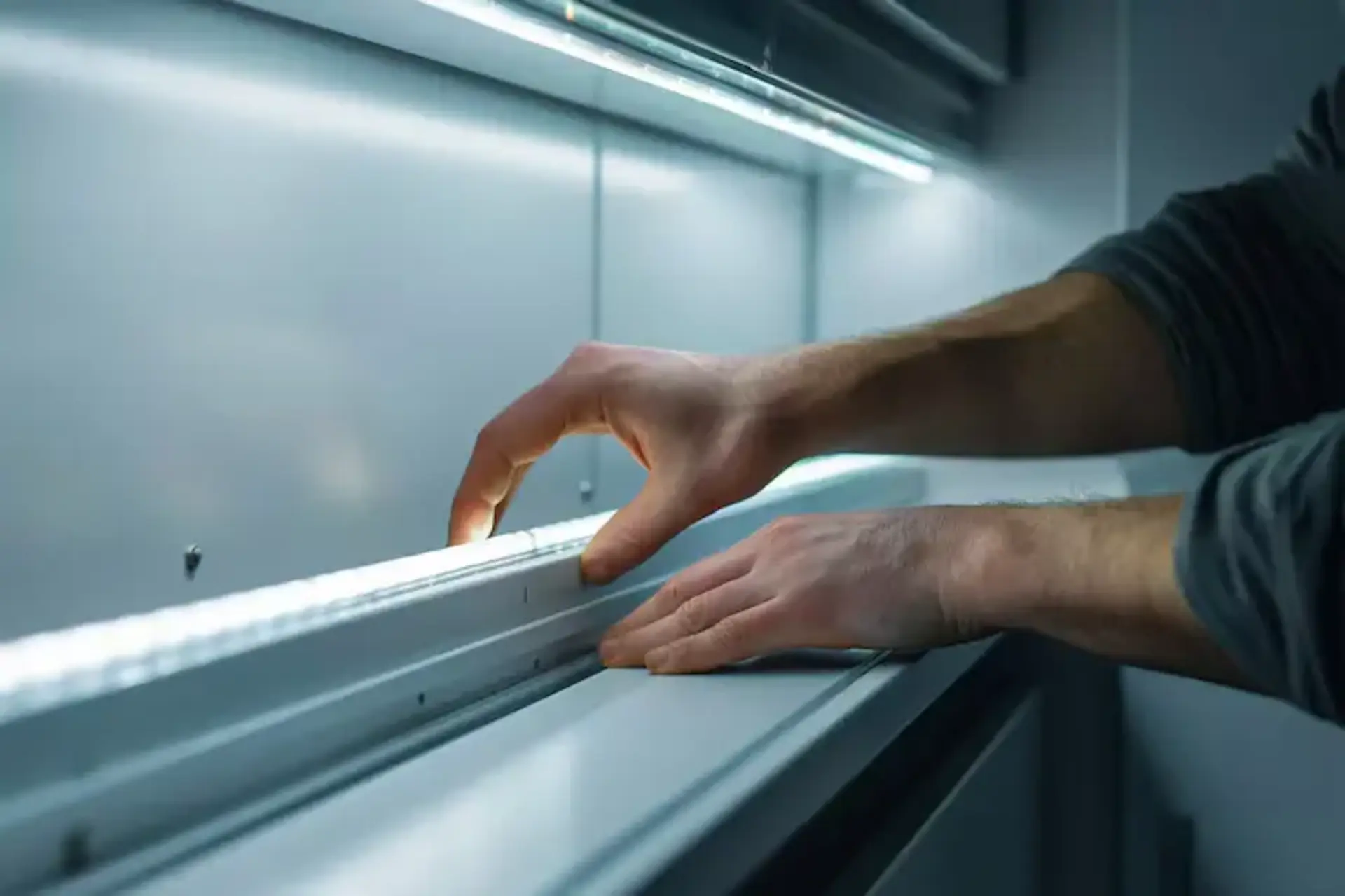
HVAC UV lights are ultraviolet lamps installed inside part of your heating and cooling system. They are commonly placed near the indoor coil, air handler, or ductwork where moisture and biological buildup can become a concern.
The purpose of UV light is to help reduce certain microorganisms that may grow on HVAC surfaces, especially in damp areas. In Florida, this matters because air conditioning systems remove moisture from the air every day. That moisture often collects around the evaporator coil and drain pan, creating conditions where organic buildup can develop if the system is not maintained.
A professionally installed UV light can help keep these areas cleaner by exposing them to ultraviolet light.
Why UV Lights Are Popular in Florida Homes
Florida’s climate makes indoor air quality more complicated than in many other parts of the country. Homeowners often run their AC systems for much of the year, and high humidity can create comfort and air quality issues.
Common indoor air quality concerns in Central Florida homes include:
- Musty odors from the HVAC system
- Excess indoor humidity
- Dust buildup around vents
- Allergy-like symptoms indoors
- Mold or microbial growth concerns near the air handler or coil
- Stale air from keeping windows closed
- Dirty ductwork or poor filtration
UV lights are often recommended when moisture and biological growth inside the HVAC system are part of the problem.
What UV Lights Can Help With
UV lights can be useful for helping reduce microbial growth on surfaces inside the HVAC system. This is especially important near the evaporator coil, where condensation is common during cooling season.
A properly installed UV light may help:
- Keep the indoor coil cleaner
- Reduce certain bacteria, mold spores, or organic growth on HVAC surfaces
- Minimize musty odors coming from the air handler
- Support better airflow by helping prevent buildup on the coil
- Improve overall HVAC cleanliness when combined with maintenance
For homes that have recurring musty smells when the AC turns on, or homes where the coil area has had buildup in the past, a UV light may be a practical add-on.
What UV Lights Do Not Do
It is also important to understand what UV lights cannot do.
A UV light is not a replacement for AC maintenance, duct cleaning, air filters, humidity control, or repairs. It does not magically clean all the air in your home, and it does not remove dust, pet dander, pollen, or debris from the air.
UV lights generally do not:
- Replace your air filter
- Remove dust from ductwork
- Fix leaky ducts
- Solve high humidity by themselves
- Replace professional duct cleaning
- Correct poor airflow
- Repair a dirty or neglected HVAC system
- Eliminate every indoor air quality concern
Think of UV lights as one helpful tool — not the entire solution.
UV Lights Work Best With a Clean HVAC System
If your HVAC system is already dirty, a UV light should not be the first and only step. In many cases, it is better to start with an inspection and cleaning or maintenance visit.
For example, if your air handler, coil, blower wheel, or ductwork has significant buildup, installing a UV light without addressing the source of the problem may not deliver the results you expect.
A better approach is usually:
- Inspect the HVAC system.
- Replace or upgrade the air filter if needed.
- Clean key components if they are dirty.
- Check for duct leaks, drain issues, or airflow problems.
- Consider a UV light if microbial growth or musty odors are a concern.
- Maintain the system regularly.
This gives the UV light a cleaner environment to work in and helps protect your HVAC investment.
Are UV Lights Worth It for Every Home?
Not every home needs a UV light. For some homeowners, regular AC maintenance and filter changes may be enough. For others, especially homes with humidity issues, musty smells, allergy concerns, or repeated coil buildup, UV lights may be worth considering.
You may want to ask about a UV light if:
- Your home has a recurring musty odor when the AC runs
- You have had microbial growth near the indoor coil or air handler
- Your AC system runs heavily most of the year
- Someone in the home is sensitive to indoor air quality
- Your system is in a garage, closet, attic, or other humid area
- You want added protection after an HVAC cleaning or maintenance service
The best way to know is to have the system inspected by an HVAC professional who can look at your equipment, ductwork, humidity levels, and maintenance history.
Placement Matters
UV light performance depends heavily on where it is installed. A light installed in the wrong location may not provide much benefit.
In many homes, UV lights are placed near the evaporator coil because that is where moisture and buildup commonly occur. Some systems are designed for duct-mounted installation, while others focus on coil surface treatment.
Professional installation matters because the technician needs to consider:
- Correct UV light placement
- Electrical safety
- HVAC system layout
- Access for future bulb replacement
- Protection of nearby materials
- Manufacturer recommendations
UV light can be harmful to eyes and skin with direct exposure, so it should always be installed properly inside the HVAC system — not as a DIY shortcut.
UV Lights Still Need Maintenance
Like any HVAC accessory, UV lights need occasional maintenance. The bulb does not last forever, and even if it still glows, its effectiveness can decline over time.
Most UV bulbs need replacement on a schedule recommended by the manufacturer. During routine HVAC maintenance, the technician can check whether the light is operating and whether the surrounding area is clean.
If you install a UV light and then ignore maintenance for years, you may not get the full benefit.
A Complete Indoor Air Quality Plan for Florida Homes
For many Florida homes, the best indoor air quality solution is not just one product. It is a combination of smart HVAC practices.
Depending on the home, an indoor air quality plan may include:
- Regular AC maintenance
- Proper air filter changes
- Duct inspection and sealing
- Duct cleaning when needed
- Humidity control
- UV light installation
- Thermostat adjustments
- Drain line maintenance
- Airflow balancing
- Repairing or replacing aging HVAC equipment
Wingman Heating and Cooling helps homeowners evaluate what is actually going on rather than recommending the same solution for every house.
Should You Add a UV Light to Your HVAC System?
If your home feels musty, your AC system has had buildup issues, or you are concerned about indoor air quality during Florida’s long cooling season, a UV light may be worth discussing.
The key is making sure it is the right solution for your specific system. In some homes, UV lights are a smart add-on. In others, the bigger issue may be dirty ductwork, poor filtration, leaky ducts, high humidity, or an AC system that needs maintenance.
A professional inspection can help you avoid guessing.
Wingman Heating and Cooling provides HVAC services throughout Central Florida, including The Villages, Ocala, Summerfield, Dunnellon, Beverly Hills, Wildwood, Lady Lake, Leesburg, Lecanto, Citrus Springs, Hernando, and nearby areas. As a veteran-owned HVAC company, Wingman focuses on practical recommendations, honest service, and helping homeowners stay comfortable year-round.
If you are interested in UV light installation or want to improve your home’s indoor air quality, call Wingman Heating and Cooling at 352-340-0805.
FAQ: HVAC UV Lights and Indoor Air Quality
Do HVAC UV lights remove dust from the air?
No. UV lights do not remove dust, pollen, pet hair, or debris from the air. Your air filter handles particle capture. UV lights are mainly used to help reduce certain microbial growth on HVAC surfaces.
Can a UV light help with musty AC smells?
Yes, in some cases. If the odor is coming from microbial buildup near the evaporator coil or air handler, a UV light may help reduce the source of the smell. However, the system should be inspected first to rule out drain issues, dirty ductwork, or other causes.
Are UV lights safe inside an HVAC system?
Yes, when professionally installed. UV lights should be enclosed inside the HVAC system where direct exposure is avoided. They should not be installed in a way that exposes people or pets to the light.
How often do HVAC UV bulbs need to be replaced?
Replacement timing depends on the specific UV light system, but bulbs typically need replacement on a manufacturer-recommended schedule. Your HVAC technician can check the light during regular maintenance.
Do I still need AC maintenance if I install a UV light?
Yes. UV lights do not replace maintenance. You still need filter changes, coil inspections, drain line checks, airflow checks, and routine HVAC service to keep the system running properly.