
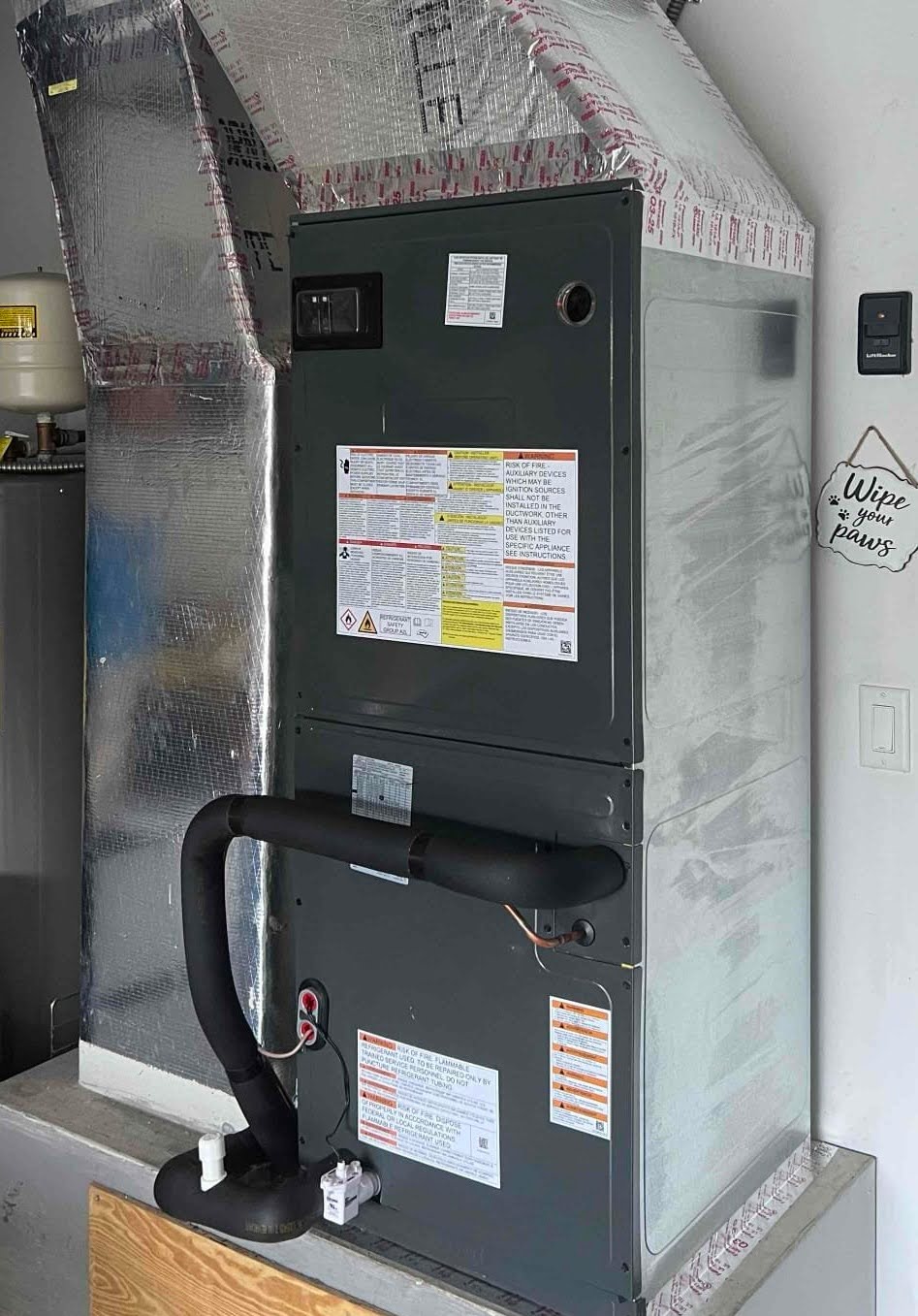
For homeowners in Leesburg, Hernando, and surrounding Central Florida communities, choosing the right cooling system is a big decision. Florida’s long cooling season, high humidity, mild winters, and rising energy costs all play a role in whether a heat pump or a traditional air conditioner makes the most sense for your home.
At first glance, heat pumps and traditional AC systems can look very similar. Both use an outdoor unit, both cool your home, and both depend on proper sizing, airflow, ductwork, and maintenance to perform well. The difference is that a heat pump can provide both cooling and heating, while a traditional AC system only cools the home and usually pairs with a furnace or electric heat strips for heat.
So which option is better for a Central Florida homeowner? The answer depends on your comfort needs, existing equipment, home layout, budget, and how much heating you actually use.
How a Traditional AC System Works
A traditional central air conditioner removes heat from inside your home and moves it outdoors. It does this using refrigerant, an indoor coil, an outdoor condenser, and a blower system that moves cooled air through your ductwork.
In Florida, this system does a lot of heavy lifting. During the hottest months, your AC may run for long stretches to keep up with outdoor temperatures and indoor humidity. A properly installed and maintained AC system can provide strong cooling performance, but it does not provide heat by itself.
If your home has a traditional AC system, your heating may come from:
- Electric heat strips
- A gas or electric furnace
- A separate heating system
- Emergency or auxiliary heat built into the air handler
Because Central Florida winters are usually mild, many homeowners do not think much about heating until a cold snap arrives. But when it does, the type of system you have can affect both comfort and utility costs.
How a Heat Pump Works
A heat pump works like an air conditioner during the cooling season. It removes heat from inside your home and releases it outdoors. The key difference is that a heat pump can reverse that process in cooler weather.
When heating is needed, a heat pump pulls heat from the outdoor air and moves it inside. Even when the air outside feels cool, there is often enough heat available for a heat pump to warm the home efficiently.
That makes heat pumps especially practical in places like Leesburg, Hernando, The Villages, Ocala, Lady Lake, Wildwood, Citrus Springs, and other Central Florida service areas where winters are generally moderate.
Why Heat Pumps Are Popular in Florida
Heat pumps are often a strong fit for Florida homes because they are designed for climates where cooling is the main priority but heating is still needed occasionally.
Here are a few reasons homeowners consider heat pump installation or replacement:
1. One system handles cooling and heating
A heat pump gives you year-round comfort from one main system. It cools during Florida’s long warm season and provides heat during cooler winter mornings.
For many Central Florida homes, that is simpler than relying on a separate furnace or less efficient backup heat as the primary heating source.
2. Efficient heating in mild winters
Heat pumps are usually more efficient than electric resistance heat because they move heat instead of creating it directly. In Florida’s climate, that can make a noticeable difference during heating season, especially if your current system depends heavily on electric heat strips.
3. Strong cooling performance
A properly sized heat pump can cool your home just like a traditional AC system. The cooling performance depends on the quality of the equipment, the installation, the ductwork, the refrigerant charge, and ongoing maintenance.
4. Good fit for Florida’s climate
Heat pumps tend to perform best in areas with moderate winters. That makes Central Florida a practical climate for them. Unlike colder northern states, Florida does not usually require a system to fight extended periods of freezing temperatures.
When a Traditional AC System May Still Make Sense
Heat pumps are not automatically the best choice for every home. A traditional AC system may still be a smart option in certain situations.
You may lean toward a traditional AC system if:
- Your current heating setup is already reliable and efficient
- You rarely use heat and want a simpler cooling-only replacement
- Your home has specific electrical, ductwork, or equipment constraints
- Your budget or equipment preference points toward a standard AC replacement
- You are replacing only part of a system and matching compatibility matters
The right answer depends on the full system, not just the outdoor unit. An HVAC professional should evaluate your air handler, ductwork, thermostat, electrical setup, insulation, airflow, and comfort concerns before recommending one option over the other.
Heat Pump vs. AC: Key Differences for Homeowners
Here is a practical comparison for Central Florida homeowners.
Cooling
Both heat pumps and traditional AC systems can cool your home effectively when they are properly sized and installed.
If your main concern is summer comfort, the most important factors are:
- Correct system size
- Quality installation
- Clean coils
- Proper refrigerant charge
- Good airflow
- Sealed and properly sized ductwork
- Regular maintenance
A high-quality traditional AC can outperform a poorly installed heat pump, and a properly installed heat pump can outperform an aging or oversized AC system.
Heating
This is where the systems differ most.
A traditional AC does not provide heat by itself. A heat pump does.
For Central Florida homes, a heat pump can be an efficient way to handle the short heating season without relying as much on electric resistance heating.
Humidity Control
Florida comfort is not just about temperature. Humidity matters.
Both AC systems and heat pumps remove moisture while cooling. However, humidity control depends heavily on system sizing and runtime. If a system is oversized, it may cool the house too quickly without running long enough to remove enough moisture.
That can leave the home feeling clammy even when the thermostat says the temperature is comfortable.
If humidity is a major concern in your home, ask about:
- Proper system sizing
- Variable-speed or multi-stage equipment
- Duct leakage
- Airflow balancing
- Indoor air quality options
- Thermostat settings and humidity controls
Energy Use
In cooling mode, efficiency depends on the equipment rating and installation quality. In heating mode, heat pumps often have an advantage in mild climates because they move heat rather than generate it through electric resistance.
For homeowners in Leesburg, Hernando, and nearby communities, the potential savings may be most noticeable during cooler months if the home currently relies on electric heat strips.
Maintenance
Both systems need routine HVAC maintenance. In Florida, annual maintenance is important because the cooling season is long and equipment works hard.
A heat pump may need special attention because it operates for both cooling and heating. That does not mean it is a bad choice; it simply means maintenance should not be skipped.
Regular service can help catch issues such as:
- Dirty coils
- Weak capacitors
- Refrigerant concerns
- Clogged drain lines
- Worn contactors
- Airflow restrictions
- Thermostat problems
- Duct leakage
- Heat pump reversing valve issues
What About Emergency Heat?
Many heat pump systems include auxiliary or emergency heat. This is backup heat that can help during colder conditions or if the heat pump is struggling.
In Central Florida, emergency heat should not normally be running all the time. If it is, that can raise utility bills and may point to a system problem, thermostat issue, or heat pump performance concern.
If you notice “AUX heat” or “Emergency Heat” frequently appearing on your thermostat, it is worth having the system checked.
Signs a Heat Pump Might Be Right for Your Home
A heat pump may be a good fit if:
- You want one system for cooling and heating
- Your current AC is old and near replacement
- You use electric heat and want a more efficient option
- Your home is in a mild winter area like Leesburg or Hernando
- You want year-round comfort from a modern HVAC system
- You are already planning an air handler and outdoor unit replacement
- Your ductwork is in good enough condition to support a new system
Signs a Traditional AC Replacement May Be Better
A traditional AC may make sense if:
- You already have a reliable heating system
- Your main need is cooling only
- Your home’s setup makes heat pump conversion less practical
- You prefer a straightforward AC replacement
- Your existing indoor and outdoor equipment compatibility points that way
- You rarely use heat and do not expect heating efficiency to matter much
Do Not Overlook Your Ductwork
Whether you choose a heat pump or a traditional AC, your ductwork matters.
Leaky, damaged, undersized, or poorly designed ductwork can waste energy and make rooms uncomfortable. In Florida homes, duct problems can also contribute to humidity issues, dust, uneven temperatures, and longer system run times.
If one room is always warmer, your system runs constantly, or your energy bills are climbing, the equipment may not be the only issue. Duct inspection, duct sealing, duct repair, or duct replacement may be part of the right solution.
The Best Choice Starts With a Proper Evaluation
The best HVAC system for your home is not just the one with the best brochure or highest efficiency rating. It is the one that is correctly matched to your home, installed properly, and supported by good airflow and ductwork.
Before deciding between a heat pump and a traditional AC system, a technician should consider:
- Home size and layout
- Existing equipment age and condition
- Ductwork condition
- Insulation levels
- Thermostat location and setup
- Electrical capacity
- Comfort complaints
- Humidity concerns
- Heating usage
- Budget and long-term goals
Local HVAC Help in Leesburg, Hernando, and Central Florida
Wingman Heating and Cooling helps homeowners throughout Central Florida with AC repair, AC replacement, heat pump installation, heat pump service, ductwork, maintenance, thermostats, indoor air quality, UV lights, and emergency HVAC service.
As a veteran-owned HVAC company, Wingman Heating and Cooling focuses on practical recommendations, clear communication, and dependable service for local homeowners.
If you are comparing a heat pump and a traditional AC system for your Leesburg, Hernando, or Central Florida home, call Wingman Heating and Cooling at 352-340-0805 to schedule service or ask about replacement options.
FAQs About Heat Pumps and Traditional AC Systems in Central Florida
Is a heat pump better than an AC in Florida?
A heat pump can be a great fit for many Florida homes because it provides both cooling and heating. Since Central Florida winters are usually mild, heat pumps can often heat efficiently without relying as heavily on electric resistance heat.
Does a heat pump cool as well as a regular air conditioner?
Yes. In cooling mode, a heat pump works much like a traditional air conditioner. Cooling performance depends on proper sizing, installation quality, airflow, refrigerant charge, ductwork, and maintenance.
Are heat pumps good for humid climates?
Heat pumps can work well in humid climates, but humidity control depends on proper system sizing and runtime. An oversized system may cool too quickly without removing enough moisture. If humidity is a concern, ask about airflow, ductwork, thermostat settings, and indoor air quality options.
How long does a heat pump last in Florida?
System lifespan depends on usage, maintenance, installation quality, and environmental conditions. Because HVAC systems work hard in Florida’s long cooling season, regular maintenance is important for both heat pumps and traditional AC systems.
Should I replace my AC with a heat pump?
It may be worth considering if your current system is aging, you want efficient heating and cooling from one system, or your home currently uses electric heat strips. The best next step is to have your current equipment, ductwork, and comfort needs evaluated by an HVAC professional.