
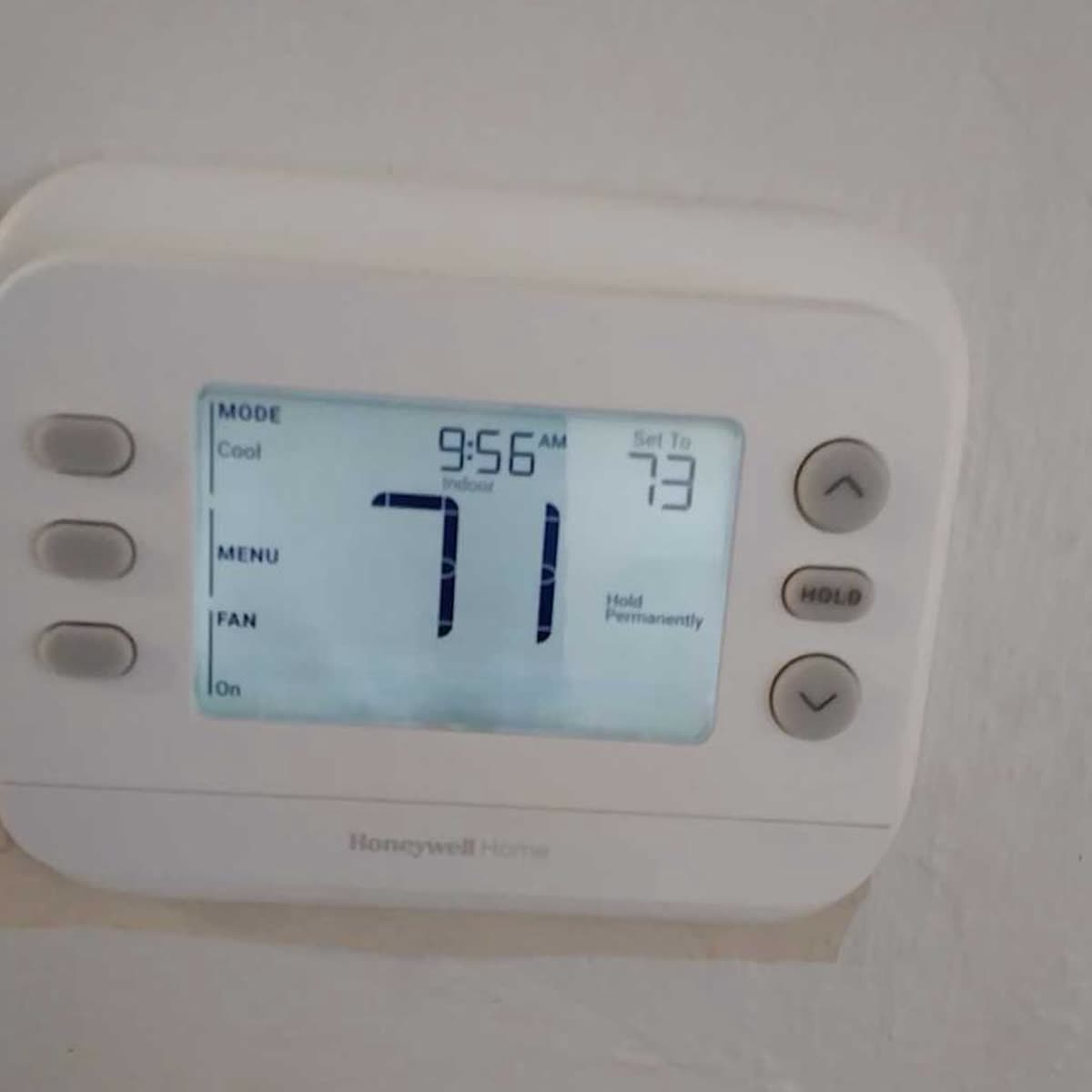
If you have one room in your home that always feels warmer than the others, you are not imagining it. This is one of the most common comfort complaints homeowners deal with in Summerfield, Belleview, and surrounding Central Florida communities.
A hot bedroom, bonus room, office, or back living area usually points to an airflow or ductwork issue, not just “Florida heat.” And while closing vents in other rooms or lowering the thermostat might seem like a quick fix, those steps usually do not solve the real problem.
At Wingman Heating & Cooling, we help homeowners track down uneven cooling problems and recommend practical solutions that improve comfort without unnecessary guesswork.
Why one room gets hotter than the rest
When one room stays warmer, it usually means that room is not getting the same airflow, insulation support, or temperature control as the rest of the home. In Florida, long cooling seasons and heavy AC use can make small system issues much more noticeable.
Here are some of the most common reasons it happens.
1. Leaky or poorly connected ductwork
If conditioned air is escaping through leaks in the duct system, less cool air reaches the room that needs it. This is especially common in homes where ducts run through attics, crawlspaces, or hard-to-reach areas.
Signs of duct problems can include:
- one room that stays warm even when the AC runs constantly
- weak airflow from the supply vent
- higher energy bills without a clear reason
- rooms that never seem to catch up to the thermostat setting
In Summerfield and Belleview, attic heat can make this even worse. If cool air is leaking before it reaches the room, the system has to work harder just to deliver less comfort.
2. Blocked or restricted vents
Sometimes the issue is simple. A supply vent may be blocked by furniture, rugs, curtains, or dust buildup. Return vents can also become restricted, which affects how well air circulates through the room.
If a room feels stuffy or warmer than the rest, check for:
- closed or partially closed supply vents
- furniture pushed over vent openings
- dust buildup around grilles
- return vents blocked by shelves or other items
This may not be the whole problem, but it is an easy place to start.
3. Poor airflow balance
Not every HVAC system is balanced properly. Some homes naturally send too much air to certain spaces and too little to others. This can happen after renovations, system replacements, or years of wear and tear.
For example, an upstairs room, enclosed porch conversion, or far end of the home may need more airflow than it is getting. If the system was never adjusted for that layout, comfort problems can continue year after year.
Airflow balancing and duct adjustments can often make a big difference when one part of the house feels left behind.
4. Dirty air filters or system components
A clogged air filter can reduce total airflow across the whole system. While this affects the entire home, it often becomes most obvious in the room that is already hardest to cool.
Dirty evaporator coils, blower components, or duct buildup can also reduce performance and make comfort problems more noticeable.
Routine AC maintenance helps catch these issues before they turn into bigger airflow problems.
5. Thermostat location problems
Your thermostat only reads the temperature where it is installed. If that area cools down quickly, the AC may shut off before the hotter room is comfortable.
This is common when:
- the thermostat is near a return vent
- the thermostat is in a shaded hallway
- one side of the house gets more afternoon sun
- a hotter room is farther away from the thermostat
In that case, the system may be doing exactly what the thermostat is telling it to do, even though comfort feels uneven throughout the house.
6. Sun exposure and insulation differences
Some rooms get much more direct sunlight than others. In Florida, that matters. A room with west-facing windows, older insulation, or more attic exposure may gain heat faster than the rest of the home.
You might notice this in:
- front bedrooms with strong afternoon sun
- rooms above garages
- bonus rooms
- additions or converted spaces
- rooms with older windows or poor attic insulation
In these cases, the HVAC system may need duct adjustments, improved airflow, or a broader comfort strategy rather than just thermostat changes.
7. An aging or undersized system
If your AC is older or not properly matched to the home, it may struggle to keep up with demand during hotter parts of the day. Uneven cooling can be one of the earliest signs that your system is losing efficiency or that the home’s airflow setup needs attention.
This does not always mean you need a full replacement. But it does mean the issue is worth evaluating before summer heat makes it worse.
What homeowners should do first
If one room is consistently hotter than the rest, here are a few practical first steps:
- make sure the air filter is clean
- confirm all supply and return vents are open and unobstructed
- check whether the room gets heavy afternoon sun
- note whether airflow from the vent feels weak compared to other rooms
- pay attention to whether the issue happens all day or only during peak afternoon heat
If those checks do not solve it, a professional inspection can help determine whether the problem is coming from duct leakage, airflow imbalance, system performance, or another issue.
Why this problem should not be ignored
A single hot room is not just a comfort annoyance. It can also point to energy loss, duct issues, or system strain. The longer the problem continues, the more likely it is to affect efficiency, indoor comfort, and HVAC wear over time.
Homeowners sometimes compensate by lowering the thermostat several degrees, but that usually increases energy costs without fixing the room that is struggling.
A better approach is to identify why that room is not cooling properly and correct the source of the problem.
Local help for airflow and ductwork issues
If you are dealing with uneven cooling in Summerfield, Belleview, or nearby Central Florida communities, Wingman Heating & Cooling can help. We provide honest recommendations and practical HVAC solutions for airflow issues, ductwork concerns, AC performance problems, and overall comfort improvements.
As a veteran-owned company, we focus on dependable service, clear communication, and solutions that make sense for your home.
If one room in your house is always hotter than the rest, call 352-340-0805 to schedule service with Wingman Heating & Cooling.
FAQ
Why is one bedroom hotter than the rest of my house?
A hotter bedroom is often caused by weak airflow, leaking ducts, blocked vents, poor insulation, or sun exposure. In some homes, thermostat placement also causes certain rooms to stay warmer.
Can duct leaks really make one room warmer?
Yes. If ductwork is leaking before cool air reaches that room, the space may never get enough airflow to cool properly, especially during hot Florida afternoons.
Will closing vents in other rooms help?
Usually not. Closing vents can disrupt system airflow and may create additional problems. It is better to find out why the hotter room is not getting the airflow it needs.
Should I lower my thermostat to fix one hot room?
Lowering the thermostat may make the whole system run longer, but it often does not solve the root issue. If one room is consistently warmer, the better solution is to inspect airflow, ductwork, and system performance.
When should I call an HVAC technician for uneven cooling?
If the room stays hot after changing the filter and checking vents, or if you notice weak airflow, rising bills, or longer AC run times, it is a good idea to schedule an inspection.