Central Florida storms can do more than knock out power for a few minutes. They can also send voltage spikes through the home and damage sensitive HVAC components. A surge protector is a small safeguard that can help protect expensive equipment and reduce the odds of a sudden breakdown after a thunderstorm.
Why HVAC systems are vulnerable
Modern air conditioners and heat pumps depend on control boards, contactors, motors, and thermostat wiring. A surge does not have to destroy every part to cause trouble. Even a brief spike can damage a control board, weaken a capacitor, or create an intermittent problem that is hard to track down later.
What a surge protector can help with
- Protecting the outdoor unit. A dedicated HVAC surge protector can help absorb excess voltage before it reaches the equipment.
- Reducing electrical stress. Repeated spikes can age components faster over time, especially during storm season.
- Lowering repair risk after outages. When power comes back on, the restart can be rough on electronics if the home is not protected.
- Adding peace of mind. A surge device is a simple layer of protection for a system that is expensive to replace.
Whole-home protection vs. equipment-level protection
Many homeowners get the best result from a layered approach. A whole-home surge protector can help protect appliances and electronics throughout the house, while a separate HVAC surge protector adds defense right at the equipment. That combination is especially useful in a storm-prone area where utility outages and lightning are part of life.
Signs your HVAC may have already taken a hit
If a storm passed through and the system has not acted right since, look for tripped breakers, a blank thermostat screen, a unit that will not start, short cycling, or a fan that runs without cooling. Those symptoms do not prove surge damage, but they are worth checking quickly before the issue gets worse.
Why this matters in Central Florida
Storms are not the only reason to think about surge protection. In Central Florida, power flickers, line issues, and lightning activity can all happen during the hottest part of the year, which is exactly when your HVAC system is working its hardest. Protecting the equipment now is easier than replacing a control board or compressor later.
When to ask for help
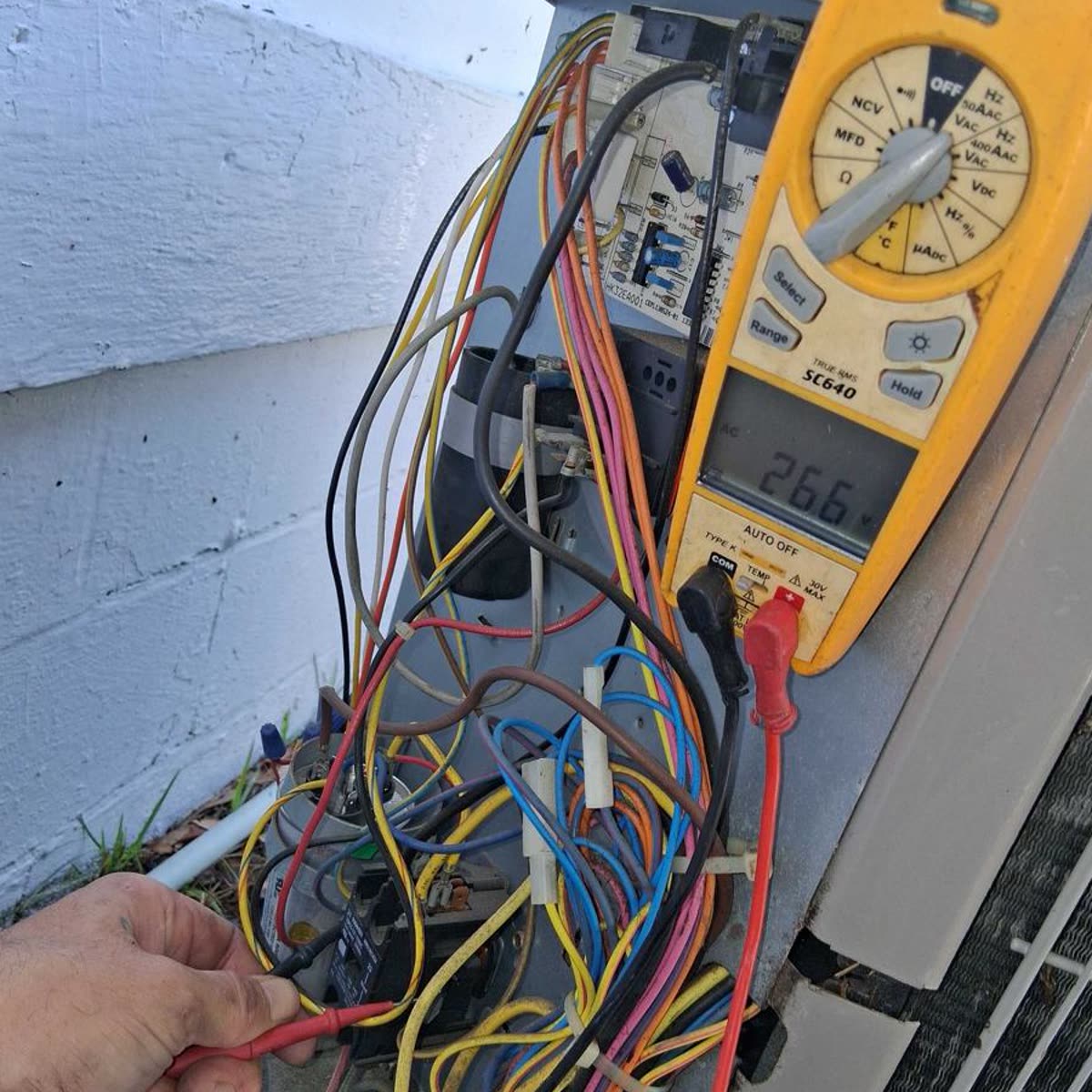
If your AC or heat pump has been unreliable after a storm, a licensed technician can inspect the system, test electrical components, and recommend whether surge protection makes sense for your home. In many cases, it is a simple upgrade that can help prevent a much bigger repair bill.
Need help protecting your HVAC system from storm-related electrical damage? Wingman Heating & Cooling helps Central Florida homeowners choose the right surge protection and keep their comfort system ready for hurricane season.